What Is Phonemic Awareness?
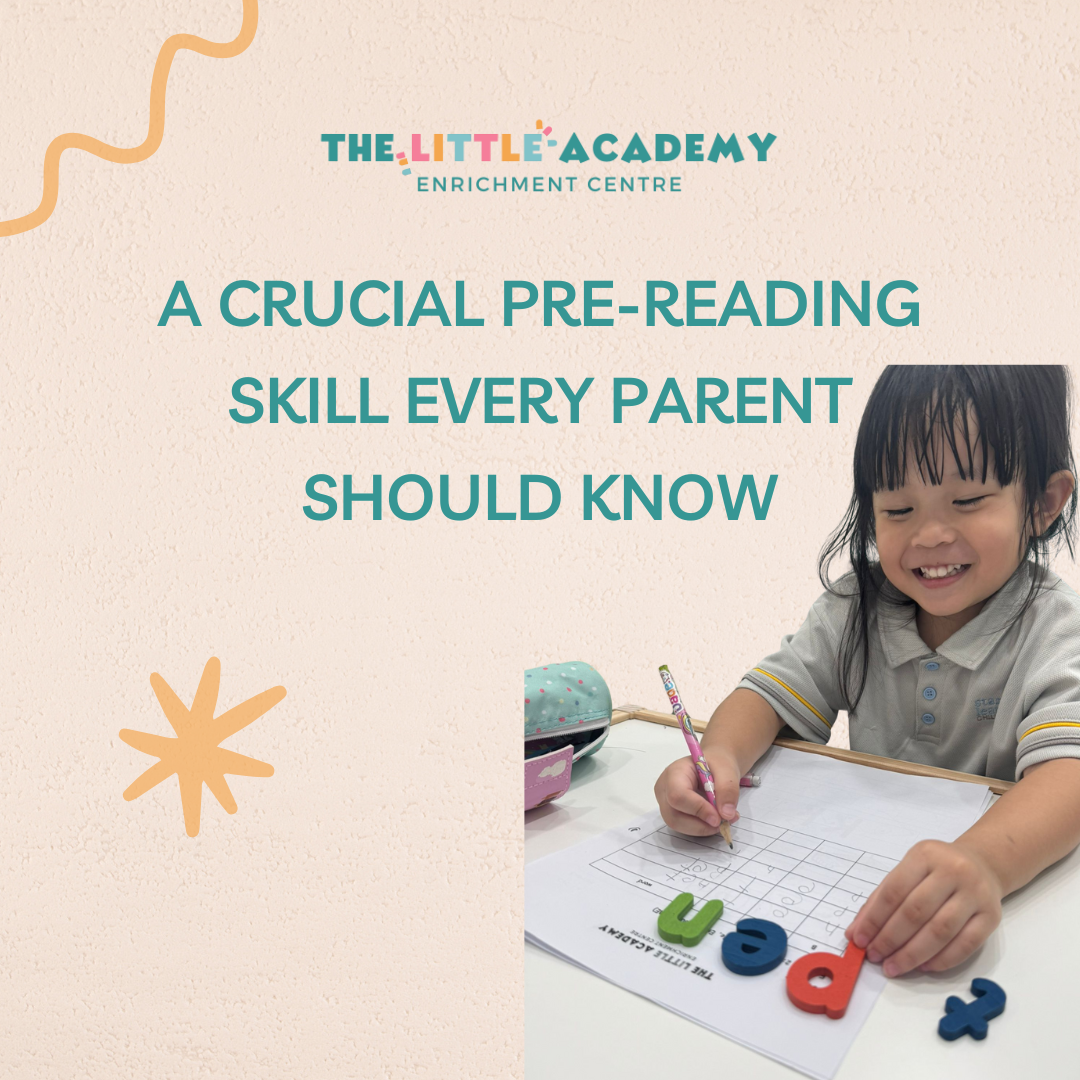
A Crucial Pre-Reading Skill Every Parent Should Know
“Before a child can read… they must learn to hear sounds.”
When parents think about learning to read, they often picture books, sight words, or spelling lists. But the very first step of reading happens long before letters. It happens in the ears.
This foundation is called phonemic awareness, and research consistently shows that children with strong phonemic awareness become more confident readers, better decoders, and stronger spellers in their early primary years.
What Exactly Is Phonemic Awareness?
Phonemic awareness is the ability to hear, identify, and manipulate the individual sounds (phonemes) in spoken words.
For example, in the word cat, a child with strong phonemic awareness can hear:
/c/ — /a/ — /t/
It is not about:
✘ recognising letters
✘ memorising alphabets
✘ reading or writing activities
It is purely an auditory skill. All about listening.
Why It Matters
Studies in early literacy show that phonemic awareness is one of the strongest predictors of reading success in the first three years of school. Children who can break apart and blend sounds:
-
Learn phonics more easily
-
Decode unfamiliar words more confidently
-
Become stronger spellers
-
Experience less frustration when transitioning into Primary 1 reading
It’s the “secret ingredient” behind fluent reading.
Signs Your Child Has Good Phonemic Awareness
Your child may show readiness for early reading if they can:
✔ Identify beginning sounds
✔ Identify ending sounds
✔ Blend simple sounds (e.g., /s/ /u/ /n/ → sun)
✔ Break apart words orally
✔ Recognise rhyming words
✔ Clap out beats and syllables
These skills form the foundation for blending and decoding are essential for reading in P1 and beyond.
How Parents Can Build Phonemic Awareness at Home (No Worksheets Needed!)
The best part? Phonemic awareness is built through play, not paperwork.
Here are simple activities parents can start using today:
1. Play Beginning Sound Games
Ask questions during daily routines:
-
“What does cat start with?”
-
“Do you hear /m/ at the start of milk?”
-
“Let’s find things that start with /b/.”
This trains children to listen for sounds.
2. Clap Out Syllables
Turn words into beats:
-
“Ta–ble” (2 claps)
-
“El–e–phant” (3 claps)
-
“Sun” (1 clap)
This builds sound segmentation skills.
3. Play Rhyming Games
Start simple:
-
“Cat – hat – mat”
-
“Log – frog – dog”
-
“Pen – hen – men”
You can even turn it into a song or matching game.
4. Break Words Apart Orally
Try this in the car or during playtime:
-
“What sounds do you hear in sun?”
(Child: /s/ /u/ /n/) -
“If I take away the /s/ in sand, what word do I get?”
-
“Let’s stretch the sounds in mom… /mmm/–/o/–/mmm/.”
These strengthen phoneme segmentation — a key pre-reading skill.
5. Blend Sounds Into Words
Give the sounds, let them “guess the word”:
-
“What word is /p/ /i/ /g/?”
-
“What word is /r/ /a/ /t/?”
This builds reading confidence long before books enter the picture.
Literacy research highlights that children with strong phonemic awareness skills:
-
Learn to decode faster
-
Have fewer difficulties in P1 reading
-
Demonstrate stronger spelling patterns
-
Develop better foundation for comprehension
Building these skills early reduces reading anxiety later and gives your child a strong start in Primary 1 English.
Just 5 minutes a day of sound play makes a big difference. Need professional support? Sign up for our trial class and free literacy assessment!